
Color Boxes
Custom color boxes for retail, gift sets and premium products. Choose box structure, board, print and finish around how the product is displayed and opened.
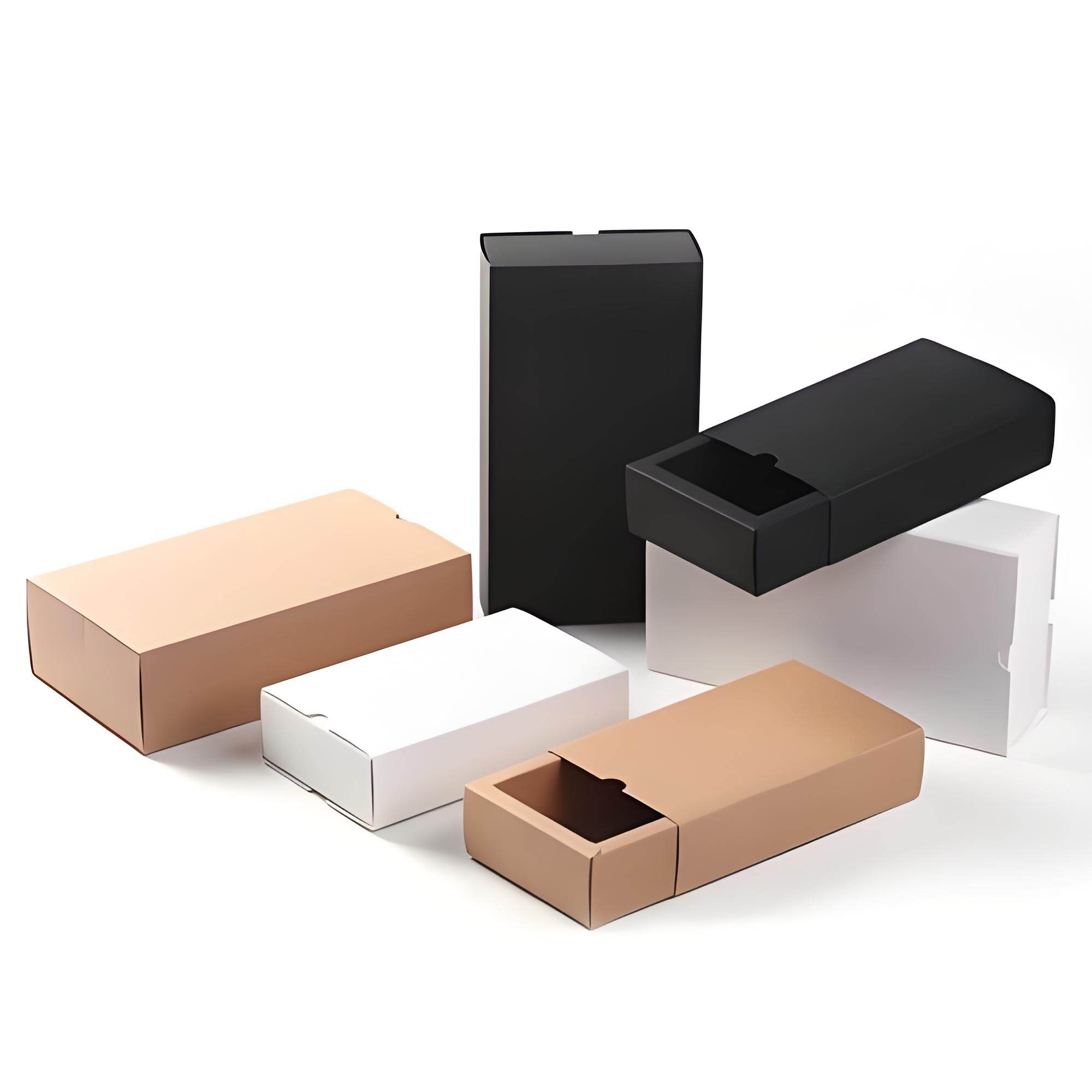
Technical Parameters
| Parameter | Specification |
|---|---|
| Box structures | Lid and base, drawer, magnetic closure, folding carton and window box |
| Board | 1.5–3 mm grey board wrapped in art paper, or 300–400 gsm folding board |
| Printing | Offset CMYK plus up to 6 spot colours, with hot foil on request |
| Finishing | Matte or gloss lamination, spot UV, embossing and debossing |
| Inserts | EVA foam, moulded pulp, satin or paper fitments |
| Add-ons | Ribbon pulls, magnets and elastic bands |
| Packing | Assembled or flat-packed, with individual polybag options |
Customization process
Six steps from structure to packed cartons, with a white sample before printing.
- 1
Structure and size
Share the product dimensions, weight and how the box should open so we can propose a structure and inner fit.
- 2
Board and wrap
Rigid board thickness and wrap paper are selected for the box size, shelf presence and the handling it will receive.
- 3
Print and finish
Offset printing carries the artwork; foil, embossing and spot UV are placed where they read best on the wrap.
- 4
Die line and white sample
A plain white sample confirms dimensions, lid clearance and insert fit before artwork goes to plate.
- 5
Artwork proof
A digital proof shows panel layout, colour build, foil position and any special marks.
- 6
Production and assembly
Printing, lamination, die cutting and gluing, with magnets or ribbons fitted before packing.
Where these boxes are used
- Cosmetics and skincare sets
- Gift sets and seasonal promotions
- Electronics and small appliances
- Jewellery, watches and spirits
Product FAQ
Short answers to the questions sourcing teams ask before requesting a quotation.
Which box structure should I choose?
Lid-and-base and magnetic closure boxes present premium products and tend to be kept after purchase; drawer boxes suit layered sets; folding cartons and window boxes keep unit cost and packing time lower for retail volumes.
How do paper and finishing choices affect the box?
Grey board from 1.5 mm keeps the box rigid for gift sets, while 300–400 gsm folding board suits lighter cartons. Foil, embossing and spot UV add cost and tooling, so they are placed where they carry the brand rather than across the whole wrap.
How do sampling and lead time work?
A plain white sample confirms structure and fit before printing, and a printed sample follows for new artwork. Production usually takes around 12–18 working days after proof approval, with magnets, ribbons and inserts fitted before packing; the schedule is confirmed on the order.
Are color boxes recyclable, and which paper is the greener choice?
Boxes printed on uncoated or lightly coated art board recycle more easily than heavily laminated or foil-stamped surfaces. Where the design allows, water-based inks, board with recycled content and certified paper grades reduce the impact, and special finishes are best kept to the panels that need them. Final recyclability depends on local collection rules, and material declarations can be supplied with the order.
Do you use standard dies, and is there a tooling cost?
For common structures we can work from existing standard dies, which avoids a tooling charge and shortens the lead time. Custom shapes, windows or new sizes need a die made to your drawing, quoted separately and usually ready within a few working days; the die is kept for your repeat orders.
Ready to customize your packaging?
Send dimensions, quantity and artwork notes; our sales team replies with a quotation within one business day.
Specifications follow recognised standards: ISO 9001 quality management, FSC chain of custody, FDA food-contact requirements, SGS test reports. Figures on this page are typical values; final parameters are confirmed against the approved sample and order specification.